Understanding the psychology behind gambling behavior in casinos
The Allure of Casinos
Casinos are designed to captivate and engage visitors, using a variety of psychological triggers to create an enticing atmosphere. Bright lights, attractive sounds, and the thrill of winning are just a few elements that stimulate excitement and draw individuals in. This carefully curated environment fosters a sense of escapism, encouraging players to leave their everyday worries behind and immerse themselves in the game. This is particularly relevant when considering options for placing bets, such as through an online casino neosurf, which offers unique advantages.
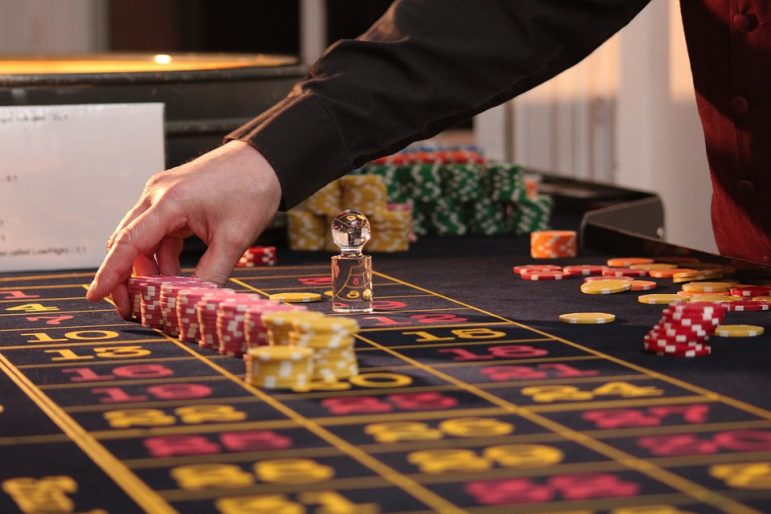
The architecture and layout of casinos play a significant role in influencing behavior. By strategically placing games and amenities, casinos create a flow that keeps players inside longer, increasing the likelihood of gambling. The absence of clocks and windows further amplifies this effect, distorting a player’s perception of time and enhancing the overall experience.
The Role of Cognitive Biases
Cognitive biases heavily influence gambling behavior, often leading individuals to make irrational decisions. One prevalent bias is the illusion of control, where players believe they can influence random outcomes, such as the spin of a roulette wheel. This false sense of empowerment can lead to excessive betting, as individuals chase perceived ‘lucky’ moments.
Another common bias is the gambler’s fallacy, where players assume that past outcomes affect future results. For example, if a particular number hasn’t won recently, a gambler may irrationally believe it is “due” to win. Such thinking can perpetuate a cycle of losses, leading to increased frustration and further gambling attempts in hopes of reversing their luck.
Addiction and Compulsive Behavior
The psychological mechanisms behind gambling addiction are complex and multifaceted. Many individuals start gambling for entertainment or socialization, but for some, it can quickly escalate into compulsive behavior. The dopamine release associated with wins can create a powerful feedback loop, reinforcing the desire to gamble despite negative consequences.
Factors such as personal history, mental health issues, and environmental influences can further exacerbate the risk of developing gambling addiction. Understanding these triggers is crucial for both individuals and support systems, as they work to address harmful patterns and promote responsible gambling practices.
The Impact of Marketing Strategies
Casinos employ sophisticated marketing strategies to attract and retain customers. Promotions, loyalty programs, and free incentives create a perception of value, drawing players into a cycle of continuous gambling. These strategies are designed to appeal to the psychology of players, making them feel special and valued, thereby increasing their likelihood of spending more time and money.
Furthermore, the use of social proof, where casinos highlight the wins of others, can create a competitive atmosphere that encourages participation. Players may feel compelled to join in and experience the thrill, often disregarding their own financial limits in the process.
Exploring Online Gambling with Neosurf
For those interested in a seamless gambling experience, online casinos have emerged as a popular option. The rise of payment methods like Neosurf allows players to deposit funds quickly and securely while maintaining their privacy. This ease of access often contributes to increased gambling behavior, as players can engage with games from the comfort of their homes.
Understanding the psychological factors at play in both physical and online casinos can enhance the gaming experience. By being aware of personal triggers and biases, players can enjoy gambling responsibly while minimizing the potential for harmful behaviors. Ultimately, knowledge is a powerful tool in navigating the exciting yet complex world of gambling.